
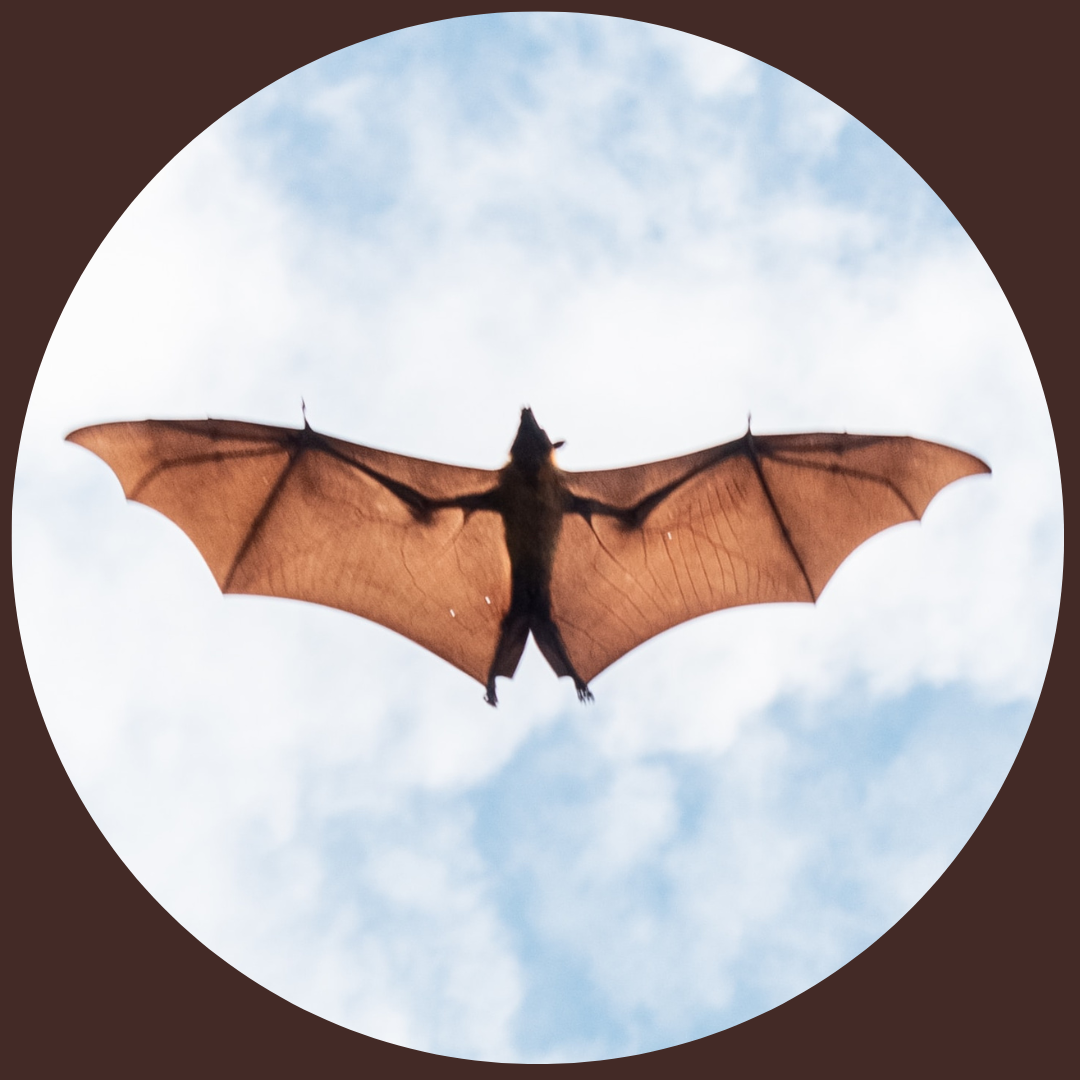
Bats eat insects that might damage old books. At the heart of the University of Coimbra, one of the oldest educational institutions in Europe, is the Joanina Library, a veritable treasure trove of knowledge and baroque architecture.
This unique library is not only an impressive place with its sumptuous design, but also with an unusual method of protecting the books: a colony of bats has been living inside the library for over two centuries!
At night, the bats emerge from the massive carved wooden shelves and begin to fly among the old books, feeding on insects that might damage the fragile pages of the historic volumes.
These little book guardians play an essential role in preserving valuable collections by naturally eliminating pests without the use of chemicals that could harm sensitive materials.
To protect the library’s wooden furniture and surfaces from bat droppings, staff cover the reading tables with special leather at the end of each day. In the morning, the library is carefully cleaned and life goes on in this sanctuary of learning.
The Joanina Library houses approximately 60,000 volumes, including rare manuscripts, books from the 17th-18th centuries and works of inestimable value.
Thanks to bats, these literary treasures are preserved in excellent condition, and this unusual collaboration between man and nature continues to fascinate visitors from around the world.
So…if you ever get to Coimbra, don’t miss the chance to see this unique library with your own eyes, where history, architecture and nature work together!
There’s a class facts that make me think, “Damn, this belongs on the Discworld.” This is one of them.
Fascinating… Although I wouldn’t want to be the person in charge of cleaning the floors!
Cool, disease is not a problem? I hear they transmit loads of stuff that’s very bad for people. I would wager they have exchange with the outer world?
This is a great question! I’ll put my thoughts and educated guesses below.
- Less than 1% of bats carry rabies worldwide.
- Terrestrial rabies has been eliminated in Portugal since 1950s. Bats can still transmit it through Lissaviruses, but it becomes even rarer due to no terrestrial rabies.
- The bats do have contact with the outer world - they fly outside to drink and possibly catch more bugs. However, they seem to spend most of their time indoors either sleeping or hunting.
- Bats with rabies are easy to spot - they will be out in daylight. They can be easily removed.
- There is a certain degree of risk librarians and visitors accept while in the library. It seems to be minimal.
- As far as other diseases go - I’d have to do more research.
Thanks, great to know :)


