

I run a tiny private multiplayer alpha built on Minecraft Java. Before asking more people to test it, I audited the application page because several visitors reached the form but nobody submitted it. The audit found two avoidable funnel failures.
First, the post-submission referral panel had a native hidden attribute, but an author .panel { display: grid; } rule still made it visible. Visitors could see “Application received” before doing anything. I had assumed the attribute would always win. The fix was an explicit [data-alpha-referral-panel][hidden] { display: none ; } rule plus a browser test that checks both the DOM property and computed display value.
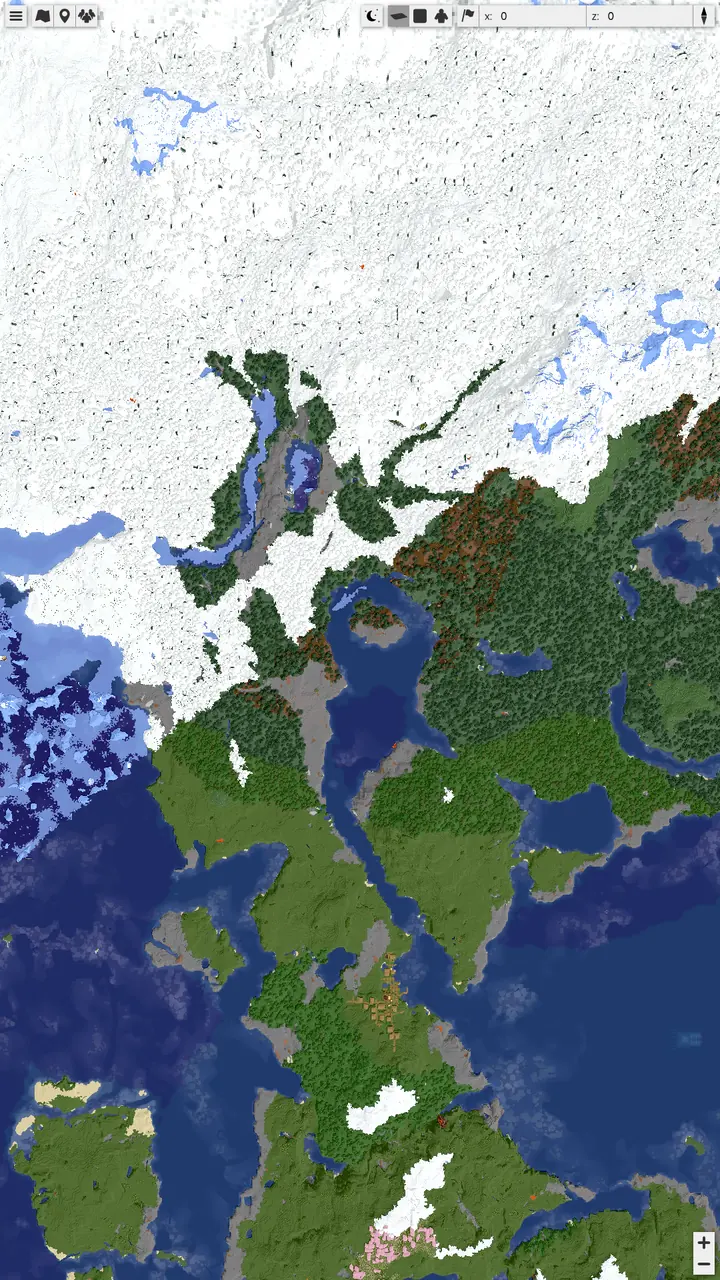
Second, the mobile form started 1,098 px from the top because the pitch and a large proof image came first. I shortened the mobile introduction, kept the real world image for desktop and link previews, and moved the form start to 481 px. I also changed free-text availability to four clear choices and detect timezone silently, while keeping the founder-vision answer and CAPTCHA.
It is too early to claim a conversion win: the verified result is still zero new applications since the fix. My next question is what minimal funnel events other developers would measure here without adding invasive analytics. At present I can distinguish a page request, full asset/API load, CAPTCHA load, and a real submitted application from server logs.
The secondary playtest ask, for anyone who also owns Minecraft Java: Neviroth is testing whether three founding players having concrete authority—founding kingdoms, naming places, building landmarks, and changing progression or economy—creates better long-term investment than treating them as ordinary bug reporters. Alpha access is free, unstable by definition, and every application is reviewed manually.
Live page and founder application: https://neviroth.net/community/alpha/apply?src=programming_dev_gamedev&campaign=alpha-social&ref=ed5372cdb30c&content=alpha-funnel-postmortem