
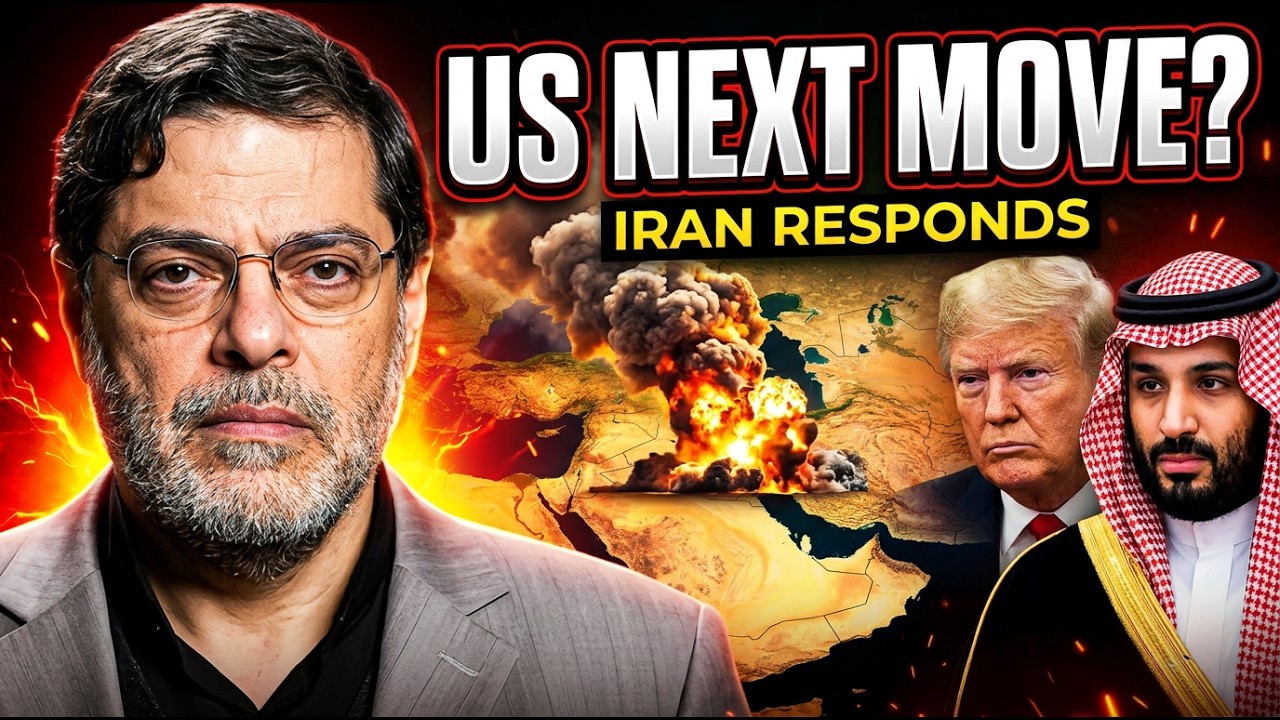
Will the United States return to military confrontation with Iran, or can diplomacy produce a lasting settlement? How is Saudi Arabia repositioning itself amid renewed regional tensions? Why is Ukraine becoming increasingly involved in West Asia? And what does today’s multipolar world mean for the global struggle against imperialism?
In this exclusive interview, Iranian political analyst Mohammad Marandi examines the evolving geopolitical landscape following recent US-Iran tensions. He discusses whether Washington’s strategy of periodic military pressure followed by negotiations can produce lasting stability, the changing relationship between Iran and Saudi Arabia, the role of Yemen in regional politics, Ukraine’s expanding presence in West Asia, and why the emerging multipolar order differs fundamentally from the Cold War.
Topics Covered Will US-Iran negotiations produce lasting peace? Is Washington pursuing a “strike and pause” strategy? Saudi Arabia’s changing regional calculations Yemen and the future of Iran-Saudi relations Ukraine’s growing role in West Asia Russia, China and the changing global balance How today’s multipolar world differs from the Cold War The future of resistance against US imperialism
If you enjoy independent geopolitical analysis from the perspective of the Global South, support India & Global Left by liking, subscribing, and sharing this interview.