
• 288 Posts
  • 1.38K Comments
Joined 3 years ago
cake
Cake day: June 12th, 2023

help-circle


  • Wow, that’s a lot of negativity towards both fancasting and idols. But I appreciate your laying out your perspective.

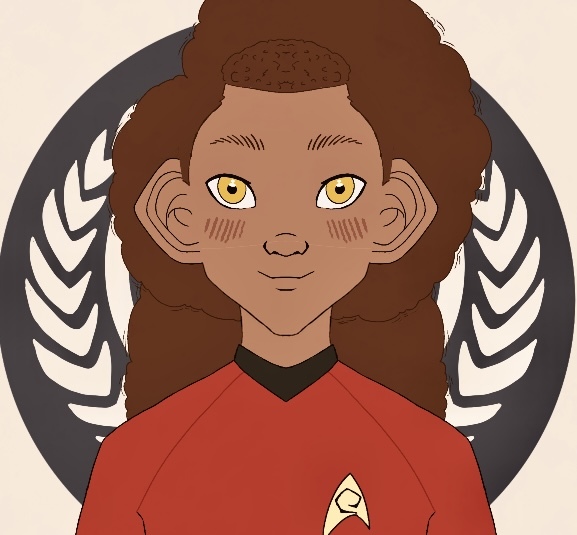
    This fancasting was done with humorous intent, as one can tell by the original post text that I have included as well as the Chanel visor (since cdrama ‘traffic stars’ are known for being global brand ambassadors of high fashion houses).

    So the joke is falling flat with you. The question is “Why?”

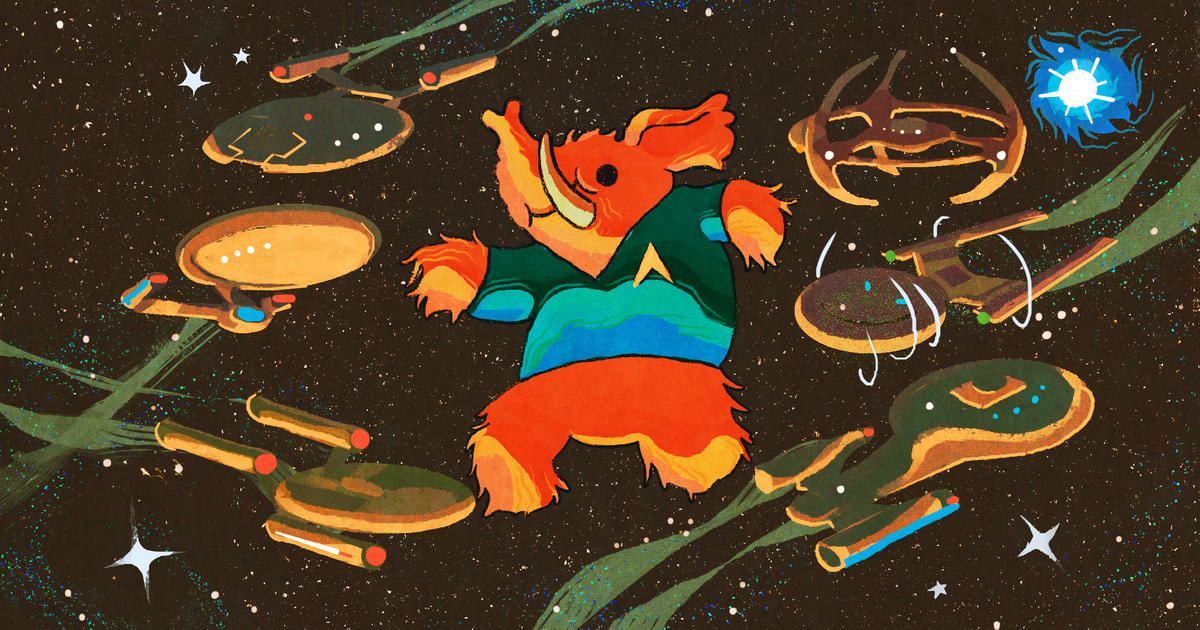
    Star Trek fans always propose their ideas for new characters in the franchise and even for recasts. It’s nothing new. It’s done in the spirit of fun.

    And it’s never taken particularly seriously by those who make casting decisions or we would have seen very different actors cast in all of the shows and movies over the past 50+ years of the continuing franchise. Especially, as many or most of the actors fancast are not any more skilled than idol actors — while on the other hand, the most recent Star Trek shows, that have consistently cast actors with good foundations and craft, have experienced the most fan negativity about casting.

    What’s different about fancasting popularity idol ‘traffic stars’ from China vs the usual fancasting of A or B list American actors?

    What I found different, and amusing, is that it’s a fancasting crossover from two very different entertainment contexts. It’s challenging assumptions with popular faces, known to the younger cdrama audience.

    What’s also amusing to me is that it implicitly pokes fun at Star Trek’s baked-in tendency to cast at least some of the roles on the basis of physical attractiveness, despite its aspirational nature — and recognizes that there has been fan blowback when diversity in looks and body types are included.

    I’m absolutely with you that Star Trek needs to be more inclusive of Asian actors, and generally inclusive of more non US actors to really have global reach.

    The US-centric mindset of those at senior levels in charge of the franchise since Roddenberry, as well as the embedded American Exceptionalism, is a principal reason it’s cinematic features aren’t capable of making adequate profit margins.

    Anime, kdramas and now cdramas, all are rising in global popularity, especially among GenZ and among young women. That’s a global trend affecting the audience that Star Trek needs to share in to survive. What’s the problem with considering what the franchise would need to do to compete with these?

    Yes, there are other serious actors in Chinese film and television, as well as other Asian countries. And hopefully as the young audience that is interested in cdramas matures, they may broaden their horizons and taken productions that are more focused on quality than personal beauty.

    However, it’s also true that very few, even among those who graduate from China’s top theatre and performing arts programs go directly into serious roles. Very few have the resources to create their own independent production companies. Most are contracted by agencies, with their careers managed by them — with enormous financial penalties if they seek to become independent or move agencies. Most are in their 30s before they can break into more serious film and television roles.

    Let’s face it, Star Trek has historically put the most seasoned actors, with theatrical credits, in the Captain chair but the rest of the ensemble has typically been a mix of with less experienced actors included. Many legacy roles were cast with actors of an equivalent skill level to idols.

    It’s very welcome to have an Asian actor of Michelle Yeoh’s calibre in a captain’s chair, but Sulu and Kim, in 60 years of the franchise, should not remain the only East Asian main ensemble characters. More, future casting of characters with Japanese, Korean or Chinese biographies should consider hiring actors who are from those countries rather than exclusively Americans with that heritage.

    All to say, it’s an interesting discussion. Appreciate the engagement.


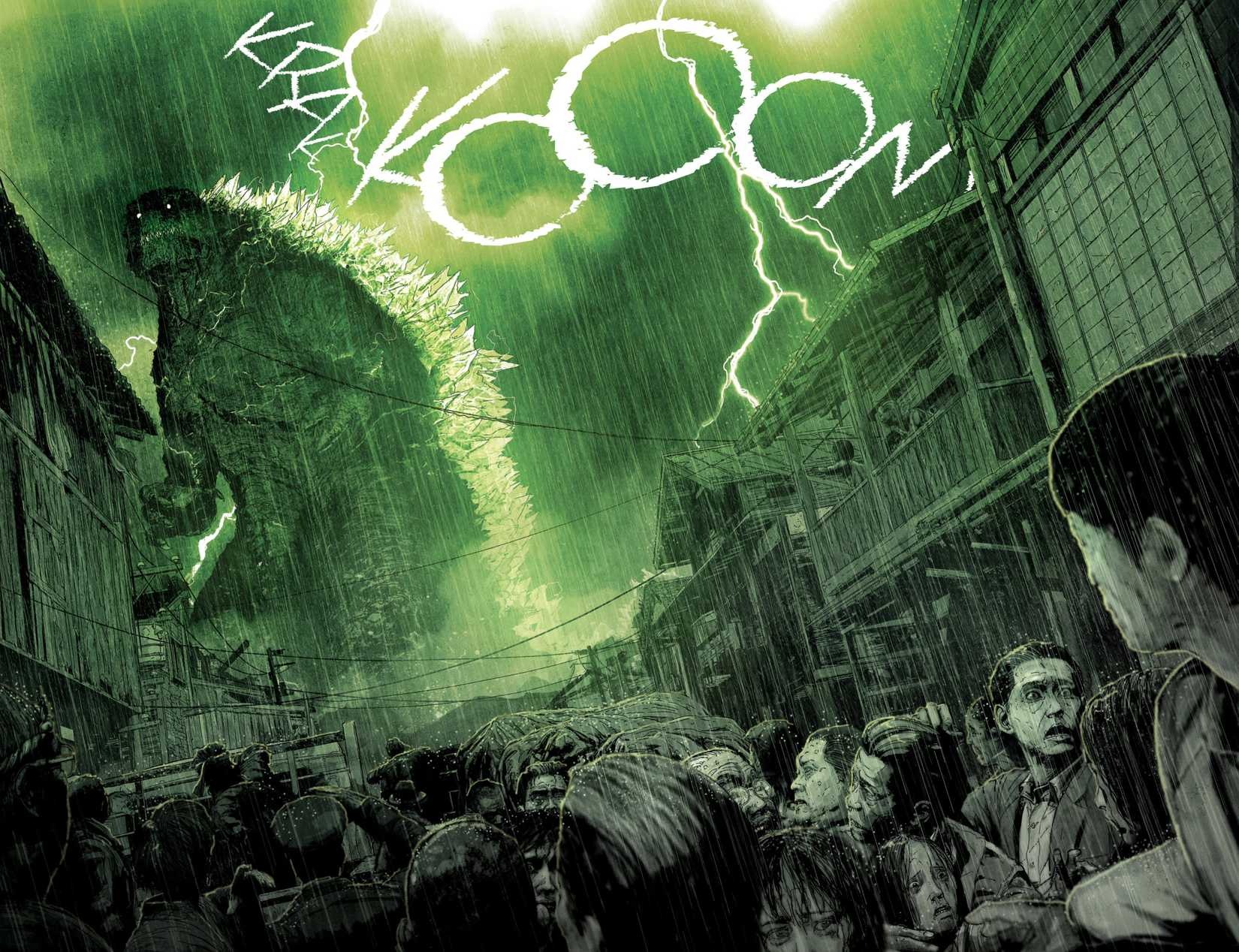
  • You have a point generally but underestimate how loathed the 1998 film is.

    The 1998 movie sufficiently disrespected the values around Gojira that Toho has been incredibly cautious about licensing since. There are many contractual limits on how the Toho Kaiju can be used, especially Godzilla.

    American interpretations have leaned too much to the younger male audiences who are just interested in big monsters fighting and threatening humans. Not so much interested in morality stories about humanity’s relationship with the natural world.

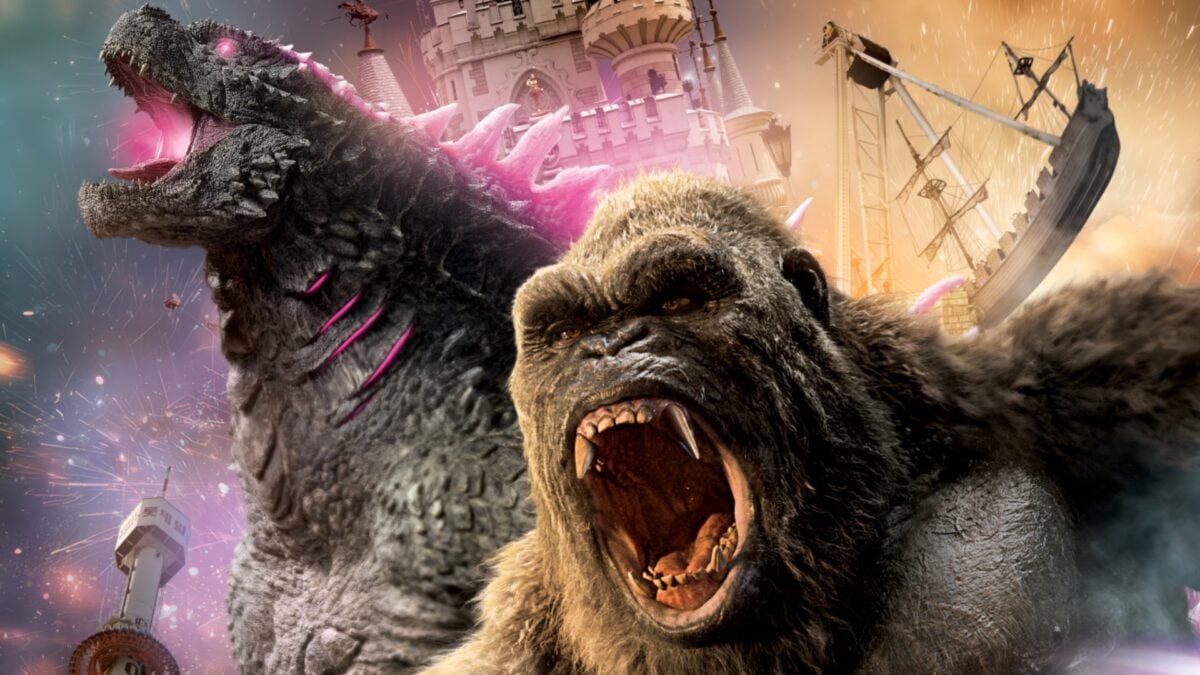
    Legendary Entertainment has tried to bring a more character driven human centric version to US and international audiences. However, the films after Kong: Skull Island had a different creative team and became more focused on spectacular fights than storytelling or messaging.

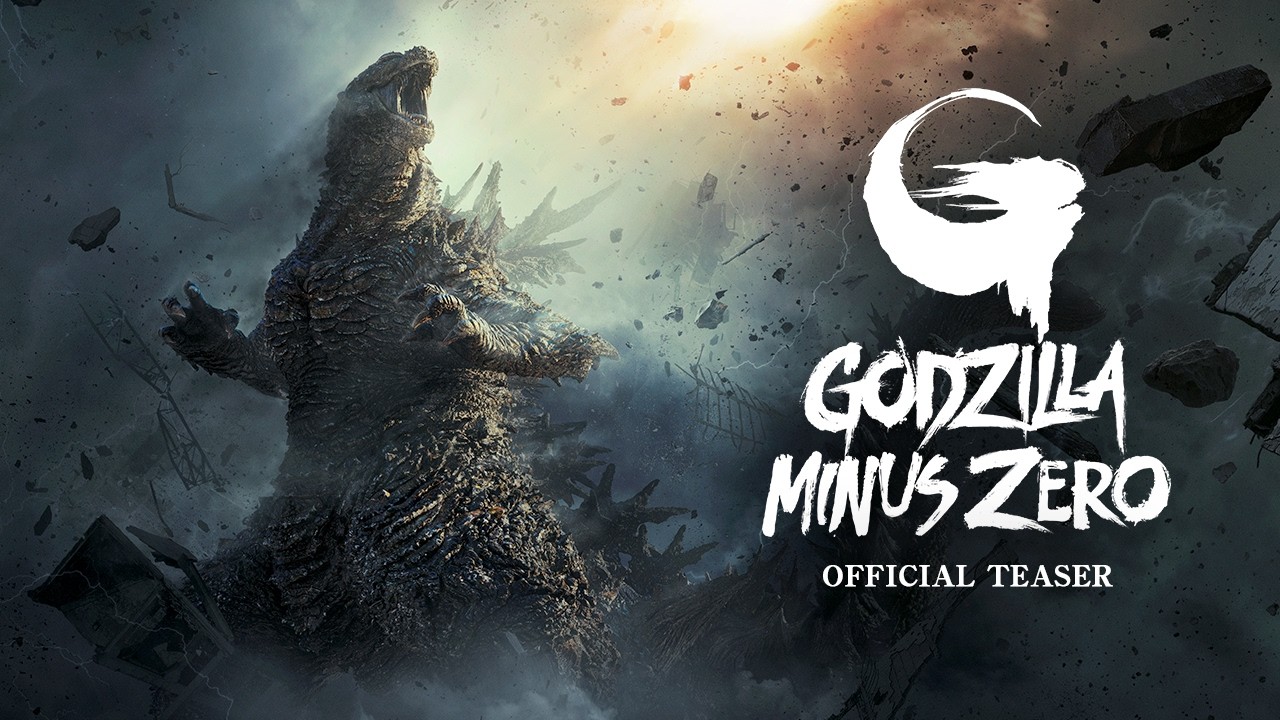
    M:LOM is helmed by the original creatives. They seem to be successful overall in balancing more character driven storytelling but whichever way they lean, there will be some dissatisfaction.


  • I’d say that it’s fairly clear that the writers had an endpoint for the season, a few key narrative, Kaiju and character milestones that they mapped out, as well as some narrative pipe that they wanted to lay down towards the third season.

    The season mostly succeeds from that perspective but there’s validity in some of the criticisms.

    One thing to keep in mind is that the show is serving different international audiences, including a core of American fans who only want to see big Kaiju fight.

    My sense is that they got the balance a bit different for the second season such that those who liked the first season may not be as happy with the second and vice versa.

    In particular, this season seems to be the natural conclusion to many unresolved issues from the movie Kong: Skull Island — one of the most divisive movies in the Monsterverse. So, if that movie is one that someone liked or found intriguing, they are likely to find this season particularly satisfying.