Can’t remember where I heard this, but I believe the terms themselves evolved around common infant mouth sounds. Hence why so many languages use the term “mama” for mother.
The baby makes random sounds, meaning is ascribed to them by the parents, the baby is given positive feedback and starts to make those sounds more frequently, and then the meaning eventually sticks for the child once they actually begin developing language.
This is what I’ve heard as well. Ba/
Da/Ma/Pa are the first sounds we interpret as “words” coming from babies.My first words were “boba” and “kiki” but my parents were both abstract two-dimensional shapes so that might have affected things.
not Da as that is not bilabial
What about dad’s labia?
Is Ma?
According to (German) Wikipedia M is not part of the list of bilabial sounds
Edit: I’m told, I’m just blind, so forget it o:-)
EDIT: according to the ipa chart, m is a bilabial nasal sound. that means that what i said below is wrong, but might in some way be relevant for why that german wikipedia article says it’s not bilabial.
Old comment:
Afaik M is a Nasal sound (produced by the nasal cavity). Roughly speaking the idea is that when there’s no air stream out of the oral cavity, it’s not produced by the mouth parts (ie (bi)labial, dental, alveolar…). there are more details to this, as there are nasalised sounds produced by both oral and nasal cavity (in portuguese afaik) and there are other fancy things like clicks, and glottal sounds and such.
how is M not a bilabial sound!?
a bilabial consanant is one made with only your lips.
Args, actually wanted to comment here
If you can make an ‘m’ sound with only one lip I would certainly like to hear it.
I was thinking the same
But I’ve never heard that word before and just looked it up in Wikipedia. And there they state to list all of them, but I didn’t see an ‘m’ - which I would put in as well, if I understood the definition correctly
That’s my point, I’m not sure, if I miss something here or the article just isn’t correct/complete
Dritte Zeile ist das m
Ah, sorry, war blind o:-)
Danke!
I have a theory that those sounds are what a baby naturally says as their start tgeir vocal journey. So we adapted the words we use to mean mother /father accordingly.
Very convincing theories based solely on a vibe are the best
You might be on to something. There’s so many languages where the short word for mother is some variation of “ma”. Likewise with da/ba/pa for the father.
Shoutout to Georgian mama meaning father and deda meaning mother
From everything I’ve read, that’s basically it. Babies get their linguistic start by just making babbling sounds “ba”, “ma”, “da”, etc, because they are easy to produce. We as adults attribute meaning to them, that meaning is reinforced for the infant, and then it is accepted.
What I was curious about was why so many unrelated languages seem to use the “ma” sound for mother. If babies make random sounds and we assign the meaning to them, how did unrelated cultures agree on what each sound meant?
There’s a section in this article that includes a suggestion of an explanation:
https://en.wikipedia.org/wiki/Mama_and_papa
Linguist Roman Jakobson hypothesized that the nasal sound in “mama” comes from the nasal murmur that babies produce when breastfeeding
I’d like to point out that children do, in fact, get confused in this way.
When my sister’s child (who now uses they/them pronouns) was quite young (maybe three years old? I’m not certain), when something upset them, they would say “oh no wha happen?” because they knew that when their parents responded with concern after they scraped a knee or something, they would always respond with “Oh no! What happened?” So even though the new situation didn’t rise to the level of provoking crying or whatever, because they wanted that same level of attention and concern, they just directly asked for that response. It was pretty cute.
Similarly, when they wanted something to happen, they would ask it as a question: “want to make those guys talk?” (which meant “please make believe with me and provide voices for some of these stuffed animals”). Or “want to just bring the bowl down?” (which meant “I’m not sure which candy I would like! please bring the candy dish down so I can pick them by looking at them [and maybe take more than one]”). So they were definitely imitating things their parents said before understanding the full grammar of the situations involved.
Apparently as a toddler, I’d hurt myself and then come to mom whimpering “honey”
Yeah! Same kind of thing. My sister’s kid would do it also for fairly minor things that had just become frustrating, like if they couldn’t get a container open, or the clothes wouldn’t fit on the Calico Critter, etc. They’d try, but then as they got frustrated, before they reached the point of actually crying about it, they would bring it over and present it to Dada and say “oh no wha happen!” And he knew he should give them his full attention as if they’d started crying, and comfort them in addition to solving the direct problem. It wasn’t grammatically sophisticated, but it was very effective communication.
My niece refers to herself as “you” because she doesn’t understand that when people refer to her as “you”, that isn’t her name.
She’s 27 years old…
The very first document my daughter received by mail after she was born was her Tax ID. Thank you, Finanzamt.
The state has recognised your Daughter.
They understand almost everything long before they say their first words.
Who says say?
Say what?
CHICKEN BUTT
Know why?
Why?
CHICKEN THIGH
Say what again! I dare you. I double dare you motherfucker, say what one more goddamn time!
Say my name.
If no one is around you, say baby I love you
huh?
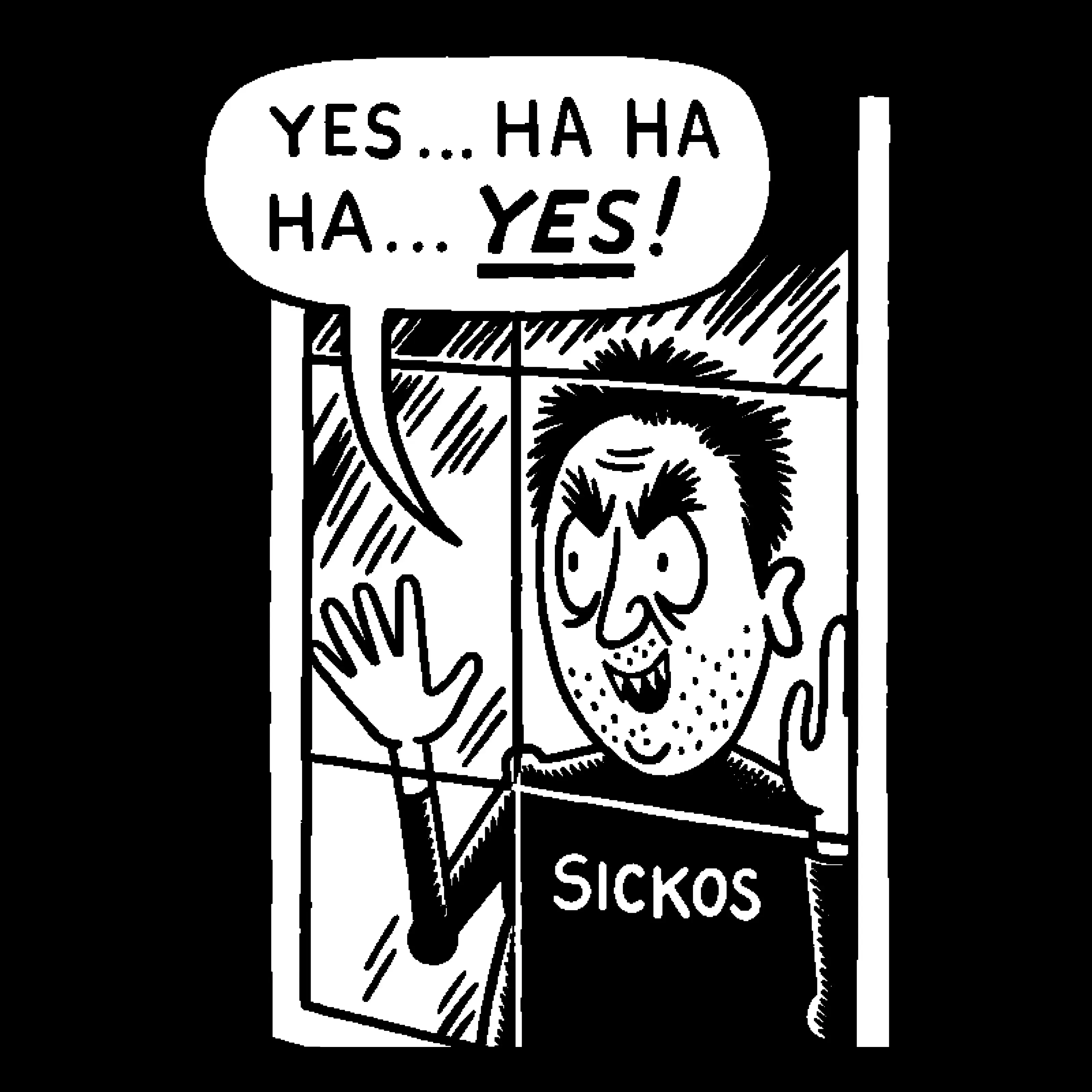
I think it’s talking about parents who say “say daddy” to the baby. If the baby was just parroting back, they would say “say daddy” back, but if they just say “daddy”, then it implies that they know what “say” means
I think it’s trying to imply that Only a sociopath wouldn’t understand the mechanism.
The guy in the picture is Dokes from the TV show Dexter. He’s the only one that recognized there was something wrong with Dexter.
I think you’re reading too much into the meme format 😅
Emphasis, most likely
The first words from mine were… NO!! LOL
This is one of those memes you should feel bad about posting OP
OP posted 350 times in 2 months, including Ai generated slop among other poor quality slop posts.
My guess is that understanding language is just a brain thing, and formulating and speaking language is a brain and motor skills thing
You learn the simple things first, and the hard stuff only when you realize you absolutely must learn them.