
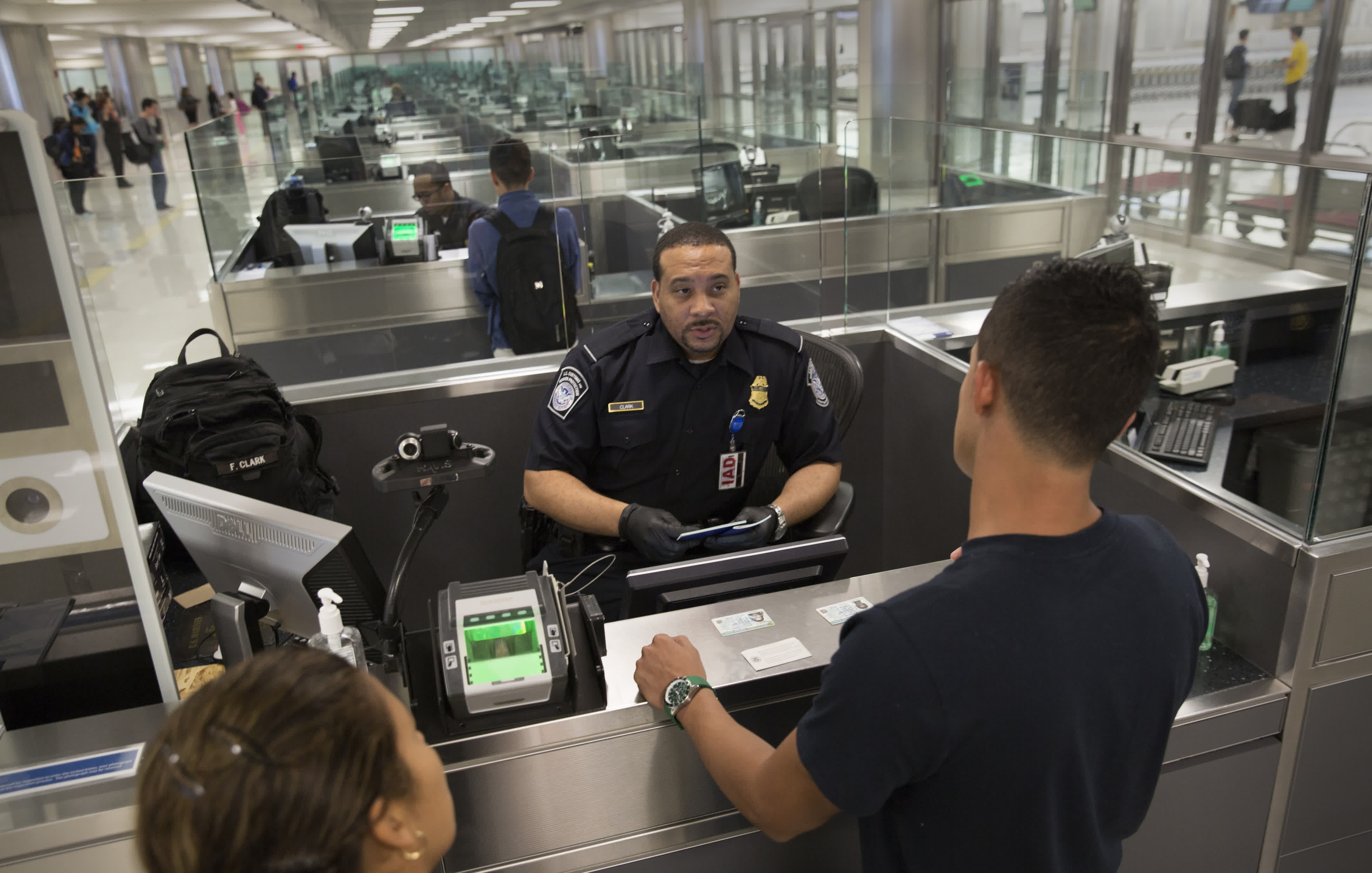
The incident began at Hartsfield-Jackson Atlanta International Airport on January 24 of last year. Tunick had just returned from a trip to the Dominican Republic when he was stopped for questioning. According to court testimony, federal agents had already circulated his name and photo internally, saying he was under investigation for “suspected terrorism activities” because of his alleged association with the movement against Cop City.
Tunick was taken to a secondary screening room, where multiple agents questioned him. A motion filed by his defense argues the interrogation focused on child sexual abuse material as a pretext for investigating his connections to the protest movement. The motion also states that Tunick asked four times to speak with a lawyer and was denied each time. According to the same filing, agents did not present a warrant or read him his rights.
During the questioning, agents repeatedly asked Tunick to unlock his phone and warned they would seize it if he refused. When he finally provided a passcode, the phone appeared to restart. The defense motion states that “the screen went blank, flashed several times, and the phone appeared to restart,” resulting in the loss of data.
The wipe is now central to the case. Prosecutors are treating it as an intentional act to destroy evidence, while the defense argues that the search violated Tunick’s constitutional rights and that the evidence should be suppressed.
GrapheneOS is designed to improve privacy and security on Pixel phones. Supporters say those tools are legitimate security protections, not evidence of criminal intent. Boutry pointed to France and Spain, where authorities have struggled to gain access to secured devices. He said authorities have treated the use of GrapheneOS itself as suspicious. In Catalonia, Spain, police have been profiling people carrying Pixel phones, assuming they have GrapheneOS installed and are drug dealers or gang members.
Compare to The feds still can’t get into Eric Adams’ phone / Two days after changing the passcode to his personal cellphone, the New York City mayor told investigators he had forgotten the new password. (Oct 2024).
I think if you might be a target but must cross these borders, it is best to either wipe your phone in advance, travel with a burner, or do it old school just bring a book.
To be honest I’m surprised/impressed by how well these security protections seem to work. Maybe they have ways to get around them but only for very important cases. Like this Cop City guy, they are just trying to harass him and its not like they need evidence to ruin his life. He’s already guilty to them. And now he is serving as a cautionary tale to other people not to get involved in resistance. Look at what a pain in the ass it is.
Some of the most fast paced tech developments are those between the Ublock Origin repo and Youtube as well as that between GrapheneOS and anti-privacy actors.
I believe their current system don’t allow “dummie” profiles, i.e. one password to log into a clean, mock version of the OS. But after incidents such as these, they might re-evalutade the need for it.
There is generally no cap on how many layers you can have when it comes to this.
Currently I think you could set it up with Veracrypt and have it boot a dummy version in a way so that there is no way to see that there is anything else hidden away on your drive.
Oh and as an answer to your question, no there is no way to get through the security, if you have done everything correct and not compromised the device prior.
I thought the feds couldn’t compel you to give them a password, but they COULD hold your finger and force you to unlock it with biometrics? By the sounds of things they browbeat this guy until he gave up his right not to tell them, and he decided to tell them the duress password, but this is a pretty clear case of cop overreach any way you slice it.
the courts have already decided decades ago that they can jail for years for not providing a password.
here’s a copy/paste of a comment i made about it:
the courts already decided that it was okay to jail people for literal years for not providing a password: https://en.wikipedia.org/wiki/United_States_v._Rawls
and there are more:
- United States v. Fricosu
- United States v. Doe (2012)
- United States v. Kirschner
This is a standard built in function on all smart phones. If this is a crime they’d better put Tim Apple in handcuffs.
Every single smartphone has an option to delete your data when given incorrect passcodes. It’s a standard safety function. If you can’t collect enough evidence without someone’s phone you’re just bad at police work.
I don’t have the duress password on my phone
- I don’t trust a kid not to wipe my phone
- I don’t have anything sensitive on there
But it’s a really cool feature.


